Continue Reading Our Latest Articles
Written by our expert practitioners in Yoga, Ayurveda and Mindfulness, these articles will give you greater insight into the lifestyle practices and tools we teach for happiness and wellbeing.
Living in Rhythm with Nature
The small actions we repeat each day influence digestion, energy, sleep, emotional balance, and long-term wellbeing.
For this reason, Ayurveda places great importance on Dinacharya, the Sanskrit term for a daily routine that aligns the body with the natural rhythms of the day. Rather than strict rules, Dinacharya offers gentle guidance for living in harmony with nature.
When our daily habits support the body’s natural cycles of waking, eating, activity, and rest, the body functions more efficiently and the mind becomes calmer and clearer. Over time, these small rhythms form the foundation for lasting health.
The following practices are traditional Ayurvedic suggestions that can be adapted to modern life, allowing you to create a daily rhythm that supports both vitality and balance.

Morning Practices
Waking Up
Ayurveda encourages waking early, ideally close to sunrise. Exposure to morning light helps regulate the circadian rhythm—the body’s internal clock that governs sleep, hormones, digestion, and energy.
Early rising also allows the day to begin calmly, rather than rushing immediately into activity.
Traditional texts recommend waking between 4am and 6am, though this may not be practical for everyone—particularly in northern climates such as the UK. A more balanced approach is to wake as early as feels comfortable and sustainable, gradually adjusting the routine if desired.
For many people, around 7am is a good starting point.
Just as important as waking early is going to sleep earlier. When the body receives enough rest and the rhythm becomes established, it will often begin to wake naturally without the need for alarms.
Hydration
Soon after waking, it is beneficial to drink water. Ayurveda traditionally recommends water kept overnight in a copper vessel, though any clean water will support hydration.
Warm or room-temperature water is often preferred, especially in cooler climates. Drinking water in the morning helps rehydrate the body after sleep and stimulates natural elimination.
Cleansing
Morning hygiene in Ayurveda includes brushing the teeth and tongue scraping.
Using a copper or stainless-steel tongue scraper helps remove the coating that accumulates overnight and may improve oral hygiene and taste perception.
Oil Pulling
A traditional practice known as oil pulling involves swishing a small amount of sesame oil around the mouth for several minutes before spitting it out. This practice is believed to support gum health and overall oral hygiene.
Self-Massage
Ayurveda recommends Abhyanga, or oil massage, as a way of nourishing the body and calming the nervous system.
While daily oil massage may not always be practical, even occasional self-massage with warm oil can be beneficial. Applying oil to areas such as the head, feet, joints, and lower back before bathing can support circulation, nourish the skin, and reduce stress.
Receiving a professional Ayurvedic massage periodically can deepen these benefits.
Bathing
Bathing or showering after massage refreshes the body and mind.
Ayurveda generally recommends warm water, which relaxes muscles and promotes comfort. Very hot water—especially on the head—is usually avoided.
Warm water supports a balanced nervous system and allows the day to begin gently.
Exercise
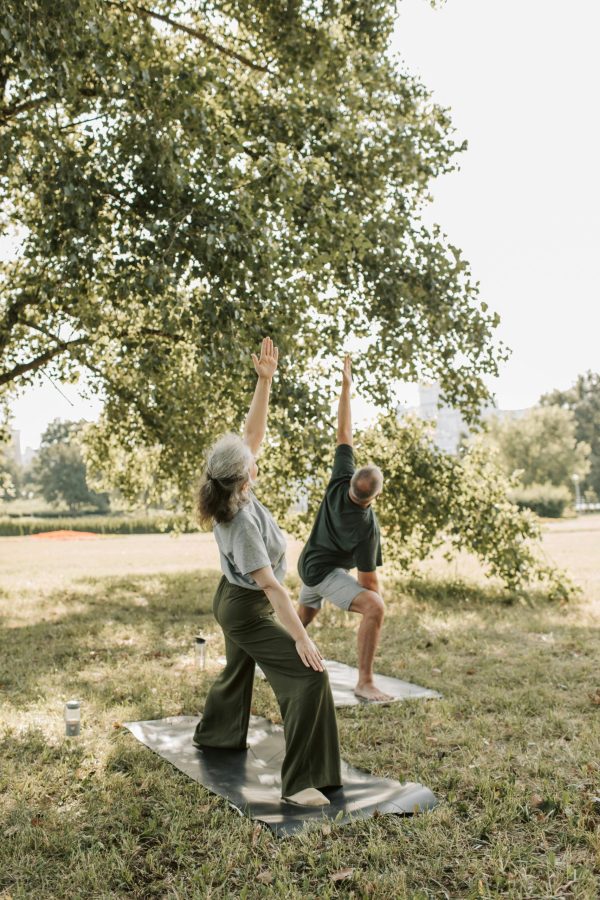
Regular movement is an important part of a healthy routine. Exercise supports circulation, digestion, and mental wellbeing.
Ayurveda recognises that exercise should vary according to constitution:
Morning exercise can help energise the body and create a sense of accomplishment that carries through the day.
Meditation
After exercise and bathing, meditation can help bring clarity and calmness to the mind.
Even 15–20 minutes of daily meditation can have profound benefits. Morning meditation is often easier because the mind is still quiet before the demands of the day arise.
A simple and widely practiced technique is breath awareness meditation, gently observing the natural rhythm of breathing.
Breakfast
After the morning routine, the body is ready for nourishment. Establishing a calm and structured start to the day supports digestion and sustained energy.
Creating time for these practices often begins with sleeping earlier, which naturally allows more space for a peaceful morning.
Evening Practices
Sleep
Ayurveda considers sleep one of the pillars of health.
Ideally, the body should be asleep before 11pm, which usually means preparing for bed around 10pm.
The final hour before sleep should be calm and free from strong stimulation. Reducing screen exposure and bright lights allows the body to prepare naturally for rest.
Quiet activities such as reading, gentle stretching, or meditation can help transition into sleep.
Heavy meals should be avoided within two to three hours before bedtime, as digestion may interfere with restful sleep.
Napping
Short naps may sometimes be beneficial, especially for individuals with Vata tendencies or during periods of fatigue. When taken, naps should be brief—around 15 to 25 minutes—to avoid disrupting nighttime sleep.
Meal Timing
Ayurveda encourages regular meal times, which help the body establish a stable digestive rhythm.
General suggestions include:
Digestion tends to be strongest around midday, so lunch is often considered the main meal of the day.
Regular meal timing supports efficient digestion, absorption, and elimination.
A Simple Daily Rhythm
While every individual is different, a balanced daily rhythm might look like this:
Morning
Daytime
Evening
Returning to Natural Balance
Ayurveda teaches that health is not created through dramatic changes, but through small, consistent habits practiced over time.
When our daily rhythms align with nature—waking with the light, eating regularly, moving the body, calming the mind, and resting deeply—the body begins to function with greater ease.
Over time, these simple practices cultivate clarity, resilience, and balance, allowing us to move through life with more energy, calmness, and wellbeing.
In this way, Dinacharya is not merely a routine, but a gentle path back to living in harmony with ourselves and the natural world.
Written by our expert practitioners in Yoga, Ayurveda and Mindfulness, these articles will give you greater insight into the lifestyle practices and tools we teach for happiness and wellbeing.